
I Auē ho'i ē |

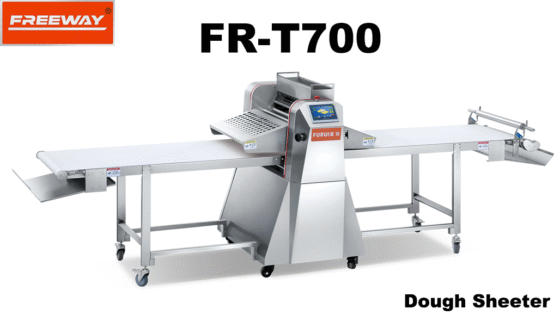
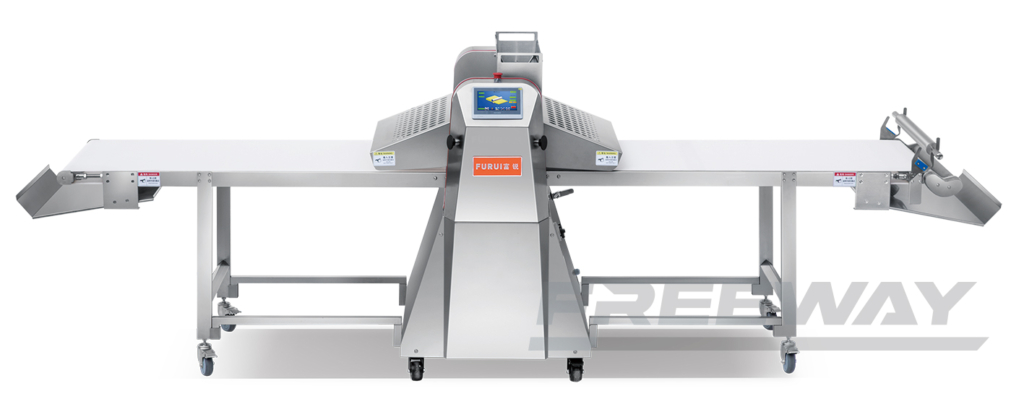
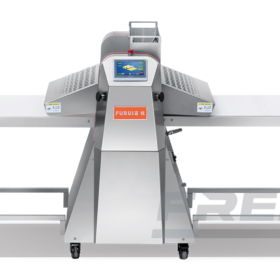
FR-T700 i ni'a i te tahua FR-T700 - Te purumu tamoni ore

Dosh Sheeter/

FR-T700 i ni'a i te tahua FR-T700

Te mau haamaramaramaraa no ni'a i te mau rave'a haaparareraa parau

Pā'oau: 220 V / 50 aore rā 60 rā / 3 Faasea

Mana: 1.5 kW

Te faito i te mau tuhaa o te ohipa (tū'au'a): 4105 x 1116 x 1341 rāto

rahi: 350kg

E nehenehe te mau tao'a tahi o te tino e: Mate'a

Ta'ata'a: 630 rāto

Te roa: 3500 rāto

Te mau tao'a here: PVC

Te vahi tauraa manureva: 85 rāto

Ta'e: AE

Te mau tao'a/faaapî i te mau tao'a no.: 30 fa'ato'ora'a

E ōtara'a: 0.8 ~ 45 rāto

Te faito rahi roa: 12kg


  • Te mau haamaramaramaraa no ni'a i te mau haamaramaramaraa

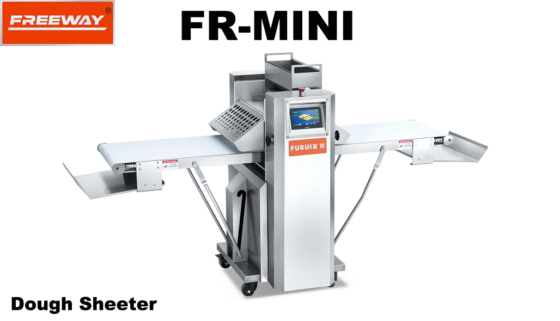
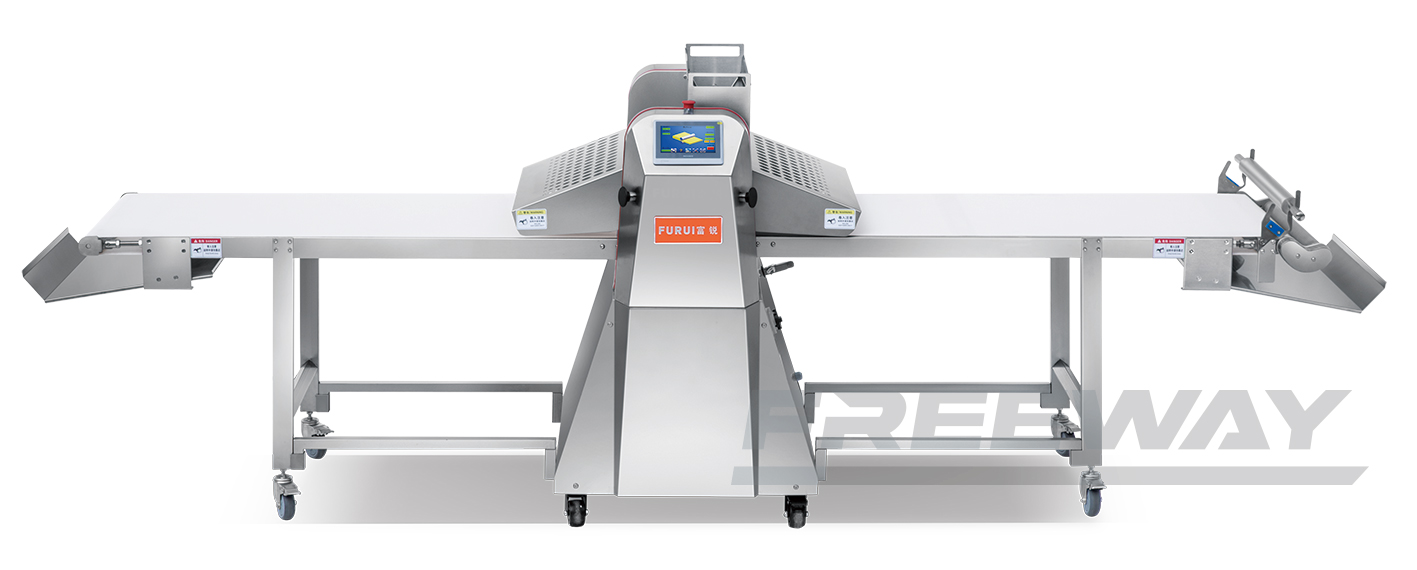
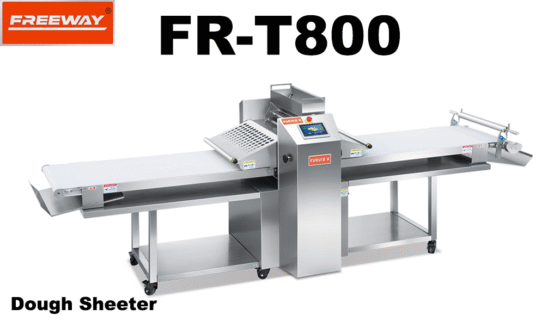
FR-T700 Dough Sheeter

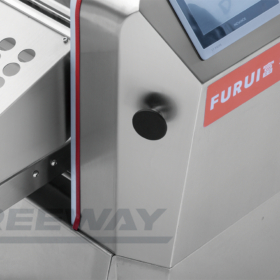
FR-T700 Dough Sheeter installed with micro-embedded computer and LCD touch panel which provides user-friendly interaction tools that makes it easy to be operated.

If you only make one batch for one loaf, we recommend using the dough roller rather than the dough hook. Additionally, the dough roller is also the preferred option when making doughs with a high liquid content or a lot of butter. Furthermore, it is very useful when baking gluten-free.

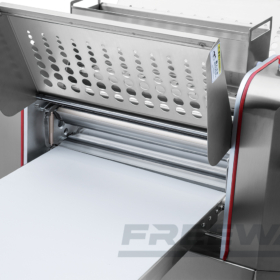
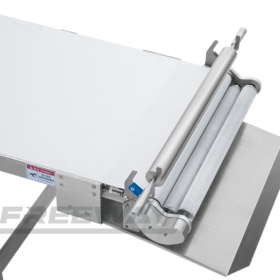
A high-quality sheeter produces a smoother, more consistent dough sheet compared to manual rolling.In fact, the dough will pass through at least one gauging roller or a conveyor, which in turn will reduce it to the right thickness.
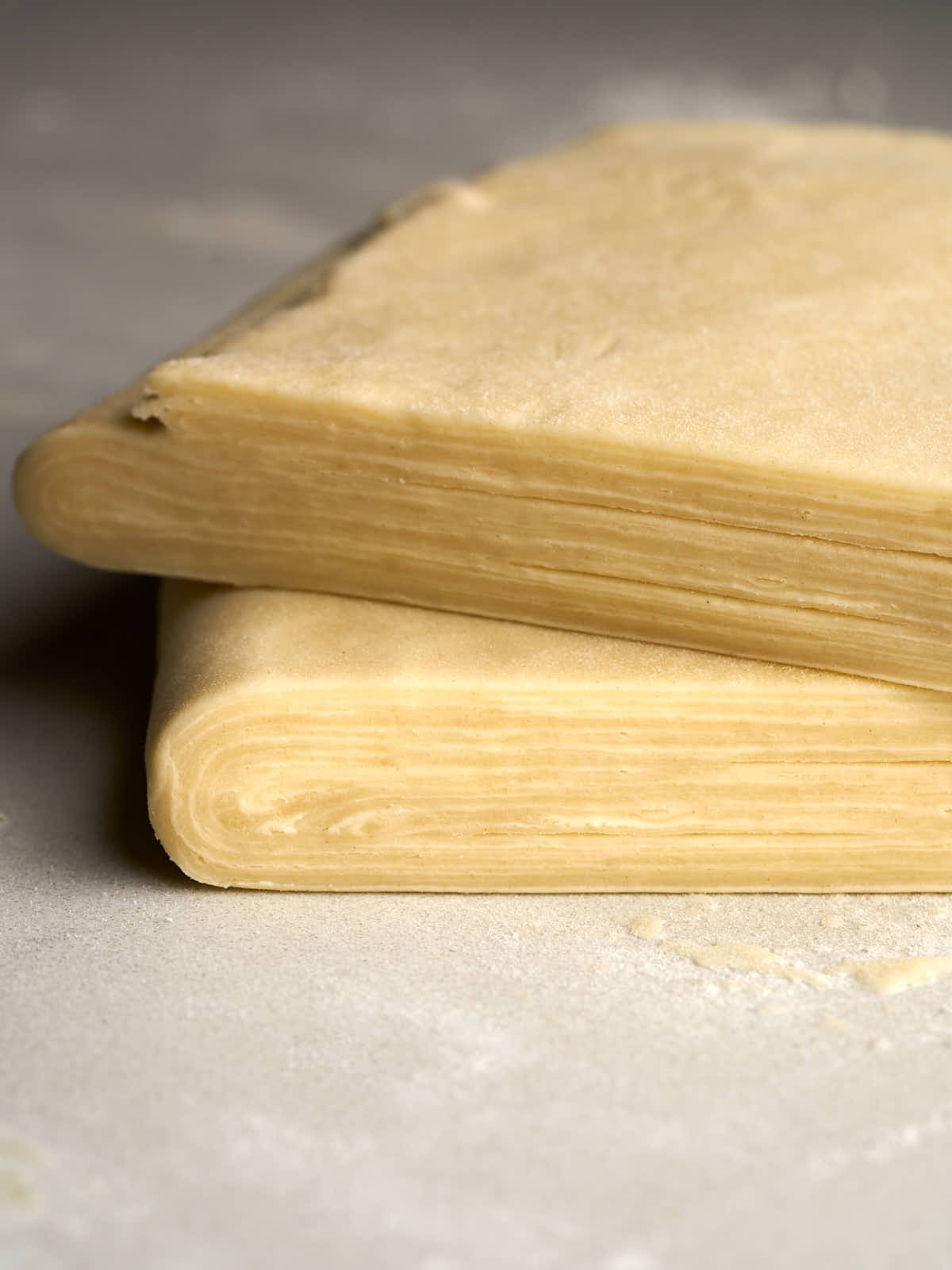
The user selects a program and presses start. The machine runs automatically by preset parameters.

Highly sensitive sensors let it detect dough size changes. The error range is just millimeters.

Once the desired width is reached, the machine shuts off automatically.

Overall, applying this machinery represents a great leap forward in efficiency and accuracy for mass production.


A dough sheeter is vital for bakeries and food facilities, as it streamlines and standardizes dough preparation. Essentially, its main job is to flatten, roll, and stretch dough, thereby creating uniform sheets of consistent thickness.
To elaborate, here’s a breakdown of its key roles:


  • First and foremost, Uniform Thickness: Rollers produce even dough sheets, which in turn guarantee consistent baking results.
  • Secondly, Reduced Labor: It minimizes physical effort and fatigue, allowing staff to focus more on other tasks.
  • Additionally, Dough Development: Controlled rolling shapes gluten or texture as needed, tailoring the dough to specific recipe requirements.
  • Finally, Versatility: Adjustable rollers enable the creation of varying dough thicknesses, making it adaptable to different recipes.

Next:

A faaea oioi

42 − 34 = =
Pū'i MathCape

A vaiiho i te hoê poroi